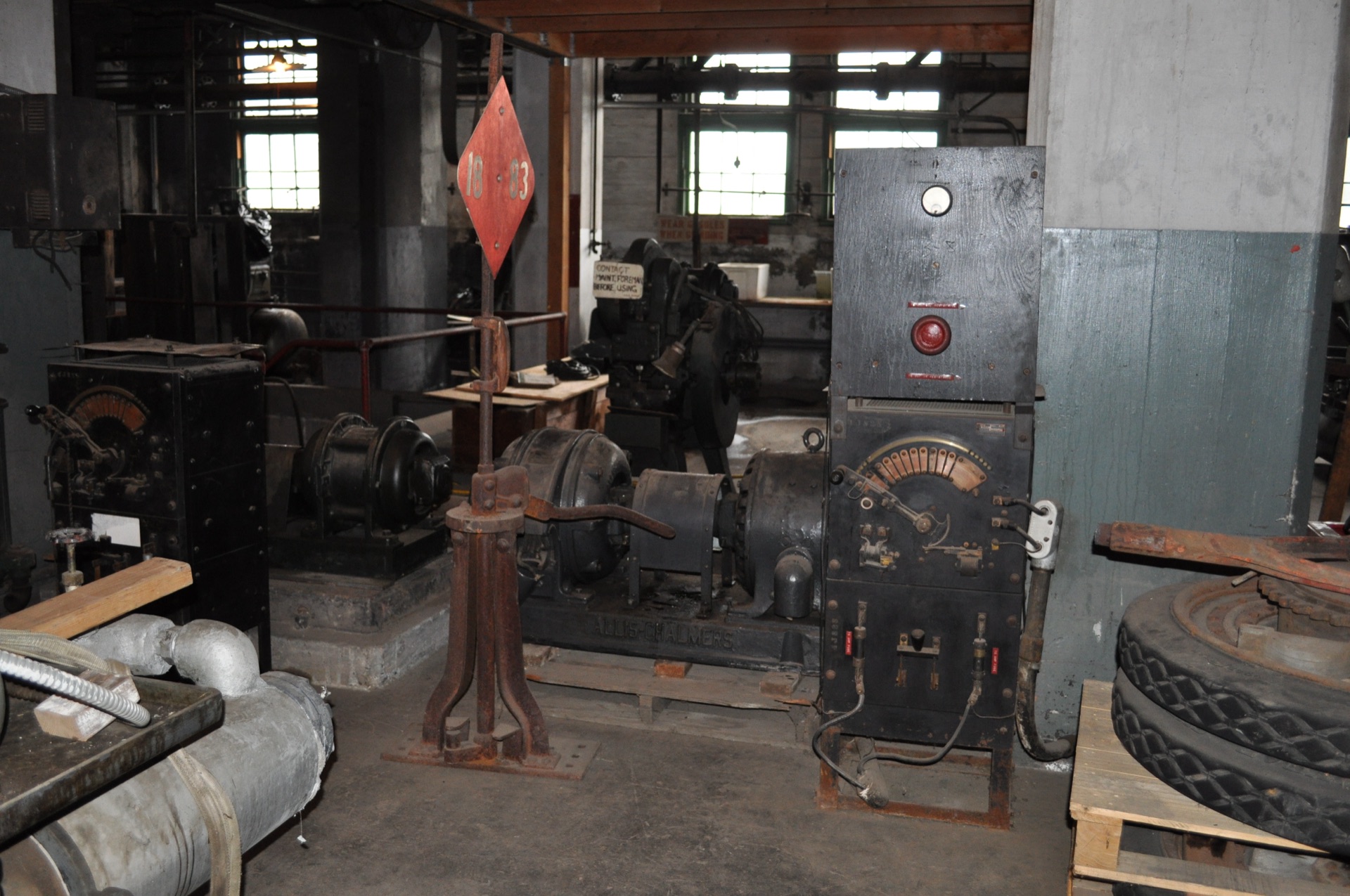
Vintage iron endures.

Featured Vehicles

View all 41 vehicles →
1960-1966 Chevy C10

1960-1966 Chevy C10

Chevy

$25,000-80,000+ Truck
Engine: 235 I6
Power: 140-220 hp
Trans: 3-speed manual
Years: 1960-1966

The 1960-66 Chevrolet C10 is the truck that made pickups cool. Before this generation, trucks were strictly utilitarian. GM's designers gave this truck car-like styling — the wraparound windshield, sweeping fender lines, and available Custom Cab interior made it something you'd want to drive, not just need to drive. The drop-center frame lowered the floor height for easier entry. The optional V8 engines made them quick. These trucks launched the custom truck scene that continues today. A well-built 1966 C10 was the truck every high schooler in America wanted.

1964 Ford Econoline

1964 Ford Econoline

Ford

$8,000-30,000 Van
Engine: 144ci Falcon inline-6
Power: 85-101 hp
Trans: 3-speed manual
Years: 1961-1967

Ford's first-gen Econoline was American industry's answer to the VW Bus. Where VW used an air-cooled rear engine, Ford put a Falcon six under the cab floor. The result was a genuinely useful commercial vehicle that also worked for families, campers, and custom van enthusiasts. The cab-forward design maximized cargo space in a compact footprint. Before full-size vans became conversion van monsters, the Econoline was right-sized and practical.

1967 Chevy Corvette C2 Stingray

1967 Chevy Corvette C2 Stingray

Chevy

$60,000-200,000+ Car
Engine: 327 V8
Power: 300-435 hp
Trans: 3-speed auto
Years: 1963-1967

The C2 Corvette is America's sports car at its most beautiful. The 1963-67 'mid-year' generation introduced the Stingray name, the split rear window (1963 only), and some of the most stunning automotive styling ever committed to fiberglass. By 1967, the final year, Chevrolet had refined the car's quirks while adding the monstrous 427 big-block option. The result was a sports car that could humiliate European exotics on both the track and the street. The L88 racing engine option — aluminum heads, 12.5:1 compression, and a factory-rated 430 hp that was actually closer to 560 — is one of the most valuable engines ever installed in a production car.

1967 Dodge A100

1967 Dodge A100

Dodge

$10,000-35,000 Van
Engine: 170ci Slant-6
Power: 101-230 hp depending on engine
Trans: 3-speed manual
Years: 1964-1970

The A100 is the muscle van. While Ford and GM were putting economical sixes in their compact vans, Dodge offered a 318 V8. The legendary 'Little Red Wagon' drag truck was an A100. This was Chrysler being Chrysler — if some is good, more is better. The forward-control design put you right over the front wheels, which was either exciting or terrifying depending on your perspective. The A100 proved that vans didn't have to be boring.

1967 Ford Mustang Fastback

1967 Ford Mustang Fastback

Ford

$35,000-80,000 Car
Engine: 289 V8
Power: 200-390 hp depending on engine
Trans: 3-speed auto
Years: 1967-1968

The '67 Mustang is where the pony car grew up. The original 1964½ was a secretary's car — a compact Falcon in a pretty dress. For '67, Ford stretched the body to fit big-block V8s. The fastback roofline became the defining silhouette of American muscle. Steve McQueen's '68 Bullitt Mustang (nearly identical to the '67) cemented the fastback as the coolest car shape of the era. This is the Mustang that launched a thousand posters.

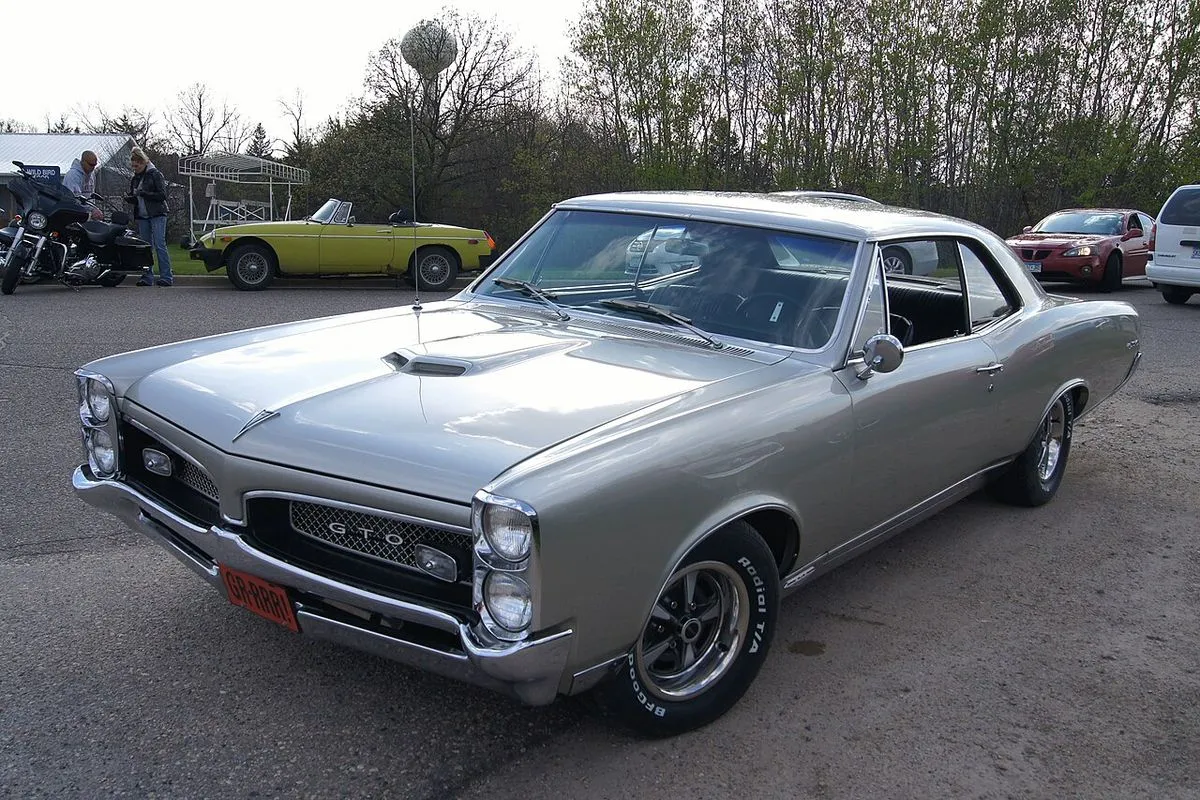
1967 Pontiac GTO

1967 Pontiac GTO

Pontiac

$35,000-100,000+ Car
Engine: 400 V8 (standard)
Power: 335-360 hp
Trans: 3-speed auto
Years: 1964-1974

The GTO invented the muscle car. Period. In 1964, John DeLorean and his team at Pontiac dropped a big 389 V8 into the mid-size Tempest, creating a formula that every other manufacturer would copy. By 1967, the GTO had its own body — no longer just an option package — with more aggressive styling and the new 400 cubic inch V8. The 1967 model is the sweet spot: refined from the crude early cars but still raw enough to feel dangerous. Ronnie & the Daytonas wrote a song about it. Little GTO, you're really lookin' fine.

1967 Volkswagen Type 2 Bus (T2)

1967 Volkswagen Type 2 Bus (T2)

Volkswagen

$25,000-100,000+ Van
Engine: 1.5L air-cooled flat-4
Power: 40-70 hp depending on year and engine
Trans: 4-speed manual
Years: 1950-1979

The VW Bus transcended transportation to become a cultural icon. It was the vehicle of the counterculture, the road trip, the alternative lifestyle. The split-window 'Splitties' and later bay-window 'Baywindows' carried surfers, hippies, travelers, and dreamers to wherever they wanted to go, slowly. The Bus proved that a vehicle could be more than transportation — it could be a statement, a home, a lifestyle. Every modern camper van owes something to the Type 2.

1967-1972 Chevy C10

1967-1972 Chevy C10

Chevy

$25,000-60,000 Truck
Engine: 250 I6
Power: 155-325 hp depending on engine
Trans: 3-speed manual
Years: 1967-1972

The '67-72 C10 is the canonical classic truck. The Action Line redesign cleaned up the bulbous '60-66 look into something timeless. It's the truck in every truck commercial when they want to evoke authenticity. The square body that followed ('73-87) is also cool, but these are the ones that launched the restomod movement. LS swaps, air ride, patina paint — the C10 is to trucks what the '32 Ford is to hot rods: the canvas everyone starts with.

1967-1979 Ford F-100/F-150

1967-1979 Ford F-100/F-150

Ford

$15,000-60,000+ Truck
Engine: 240 I6
Power: 150-245 hp
Trans: 3-speed manual
Years: 1967-1979

The fifth and sixth generation Ford F-Series trucks represent Ford's transition from work truck to lifestyle vehicle. The 1967-72 'Bumpside' trucks have clean styling that's highly collectible today. The 1973-79 'Dentside' trucks added the character line down the bodyside and a more comfortable cab. The 300 cubic inch inline-6 became legendary for bulletproof reliability — many have crossed 500,000 miles with basic maintenance. The F-150 designation appeared in 1975, eventually becoming America's best-selling vehicle for decades. These trucks were built to work, and the survivors are either still working or treasured for their simplicity.

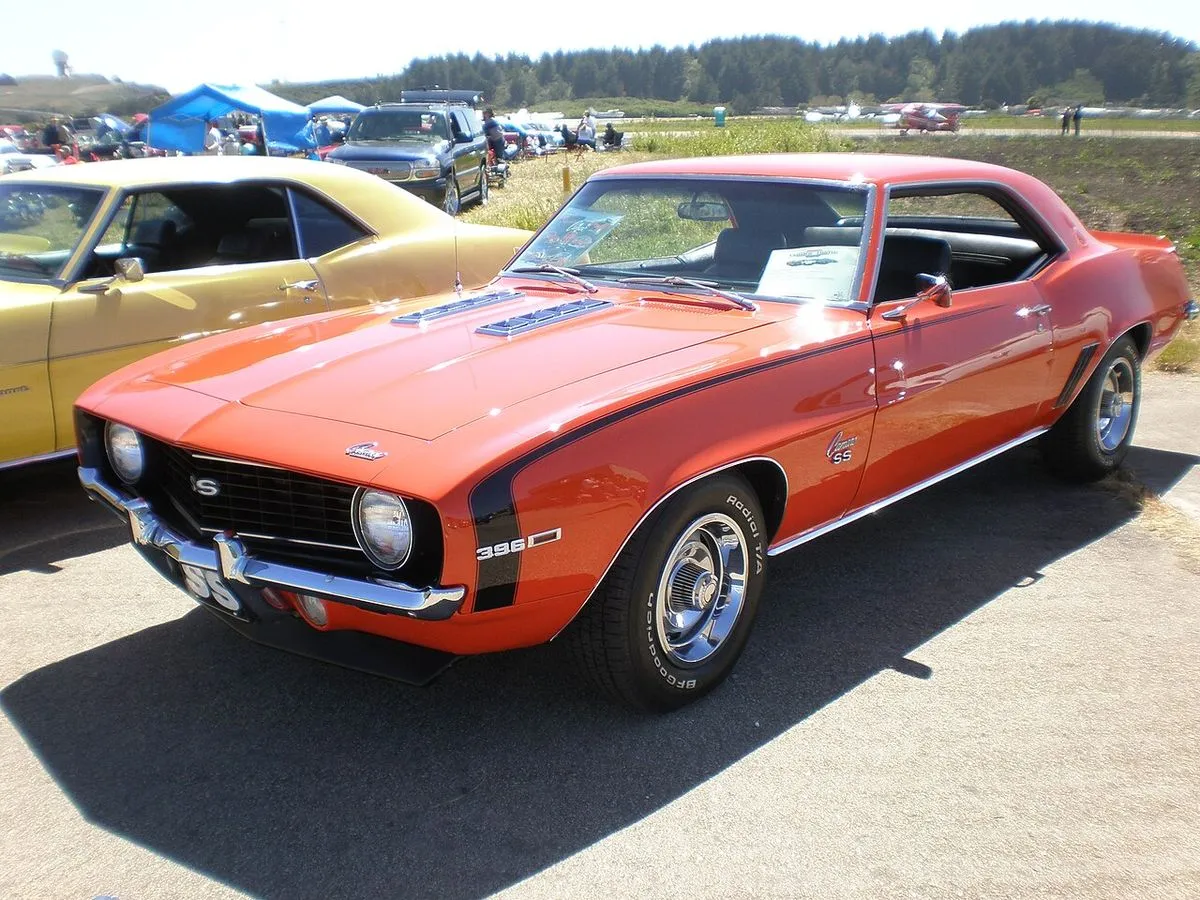
1969 Chevy Camaro SS/Z28

1969 Chevy Camaro SS/Z28

Chevy

$45,000-150,000+ Car
Engine: 350 V8 (Z28)
Power: 290-430 hp depending on package
Trans: 3-speed auto
Years: 1969

The '69 Camaro is GM's answer to the Mustang, perfected. The 1967-68 cars were good; the '69 is great. The redesigned body added aggression without losing elegance. The Z28 became a legitimate race car for the street — the 302 V8 was designed specifically to dominate Trans-Am racing. The SS 396 put big-block power in a car that could actually handle it. And the COPO 427 cars, ordered through dealer back channels to bypass GM's ban on engines over 400 cubic inches in intermediate cars, are now worth six figures. This is the Camaro that defined what a Camaro should be.

1969 Dodge Charger R/T

1969 Dodge Charger R/T

Dodge

$60,000-200,000+ Car
Engine: 440 Magnum V8
Power: 375-425 hp
Trans: 3-speed auto (TorqueFlite)
Years: 1968-1970

The 1968-70 Charger is the most recognizable muscle car silhouette ever drawn. The hidden headlights, tunneled rear glass, and Coke-bottle curves made it look like a spaceship from the future. Then Dodge dropped the 426 Hemi in it. The Charger R/T (Road/Track) came standard with the 440 Magnum — 375 horsepower of reliable big-block power. The optional Hemi added another 50 hp and legendary status. Yes, the General Lee destroyed hundreds of these cars. But the Charger's design transcends any TV show. This is what a muscle car is supposed to look like.

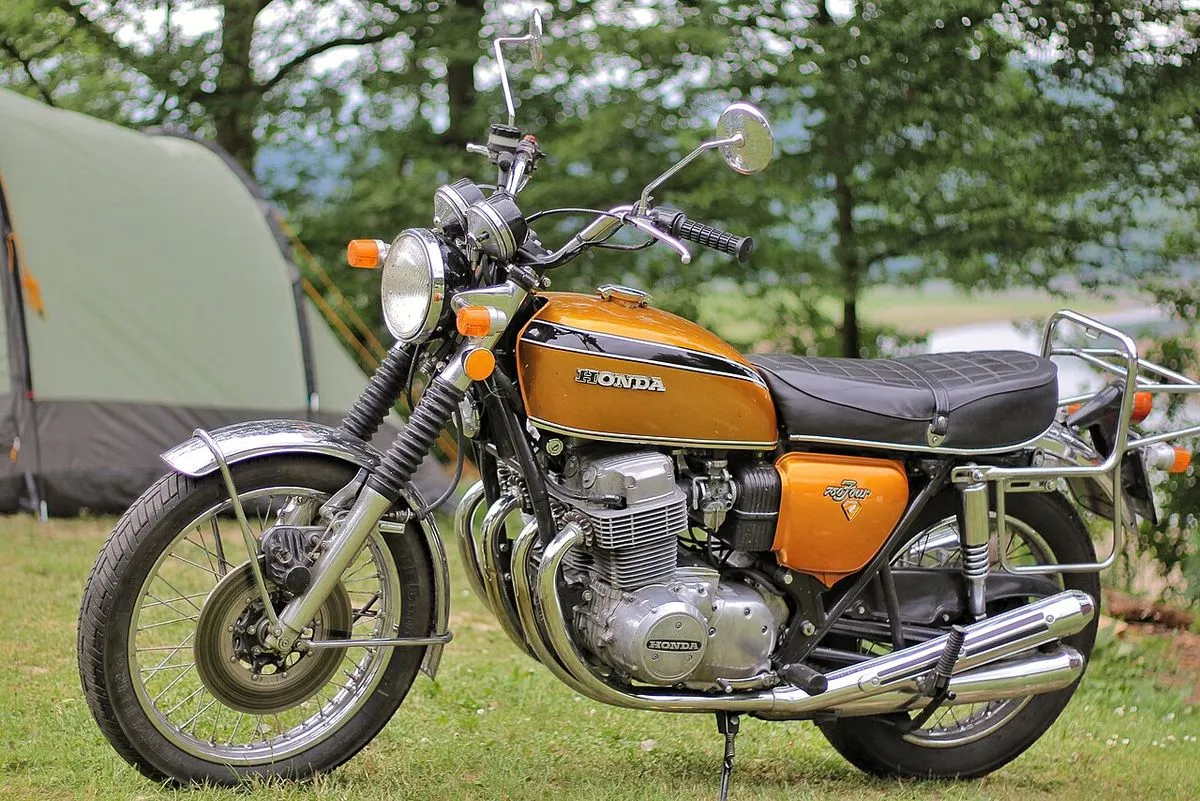
1969 Honda CB750

1969 Honda CB750

Honda

$8,000-25,000 Motorcycle
Engine: 736cc inline-four SOHC
Power: 67 hp @ 8,000 rpm
Trans: 5-speed
Years: 1969-1978

The CB750 is arguably the most important motorcycle ever made. Before 1969, if you wanted a fast, reliable motorcycle, you bought British — and accepted oil leaks, electrical gremlins, and kick-start rituals. Honda showed up with an inline-four that was faster, smoother, more reliable, AND cheaper. It had an electric starter and a front disc brake when British bikes still had drums. Within five years, the British motorcycle industry was essentially dead. The CB750 didn't just win — it changed what a motorcycle could be.

1969 Pontiac Firebird/Trans Am

1969 Pontiac Firebird/Trans Am

Pontiac

$40,000-150,000+ Car
Engine: 350 V8
Power: 265-345 hp
Trans: 3-speed auto
Years: 1969

The 1969 Firebird is when Pontiac's pony car came into its own. While the Camaro got more aggressive styling, the Firebird went racing. The Trans Am was born this year — a homologation special named after the SCCA racing series Pontiac wanted to dominate. Only 697 were built, all painted Cameo White with blue stripes. The Ram Air IV engine was Pontiac's masterpiece: round-port heads, radical cam timing, and performance that the factory underrated for insurance purposes. The '69 Firebird is GM's pony car for people who wanted more than a rebadged Camaro.

1969 Triumph Bonneville T120

Triumph

$10,000-25,000 Motorcycle
Engine: 649cc air-cooled parallel twin (OHV)
Power: 46 hp @ 6,500 rpm
Trans: 4-speed
Years: 1959-1975

The Bonneville defined what a motorcycle should look like for two decades. Launched in 1959 after Johnny Allen set speed records at the Bonneville Salt Flats, the T120 became the template for the cafe racer movement. Steve McQueen rode one. Countless movies featured them. The parallel twin has a character that inline fours can't match — a mechanical heartbeat that resonates at every RPM. This is the motorcycle that British motorcycling's reputation was built on.

1970 AMC Gremlin

1970 AMC Gremlin

AMC

$5,000-15,000 Car
Engine: 3.3L AMC inline-6
Power: 100-150 hp depending on engine
Trans: 3-speed manual
Years: 1970-1978

The Gremlin beat the Pinto and Vega to market by six months, making it America's first subcompact. AMC took a calculated risk: chop the back off a Hornet, call it a new car, and hope nobody notices. It worked. The Gremlin sold well despite the mocking. And here's the thing: underneath the strange proportions was a genuinely good car. The AMC inline-6 was reliable. The handling was decent. The V8 option made it a sleeper. The Gremlin was better than its reputation.

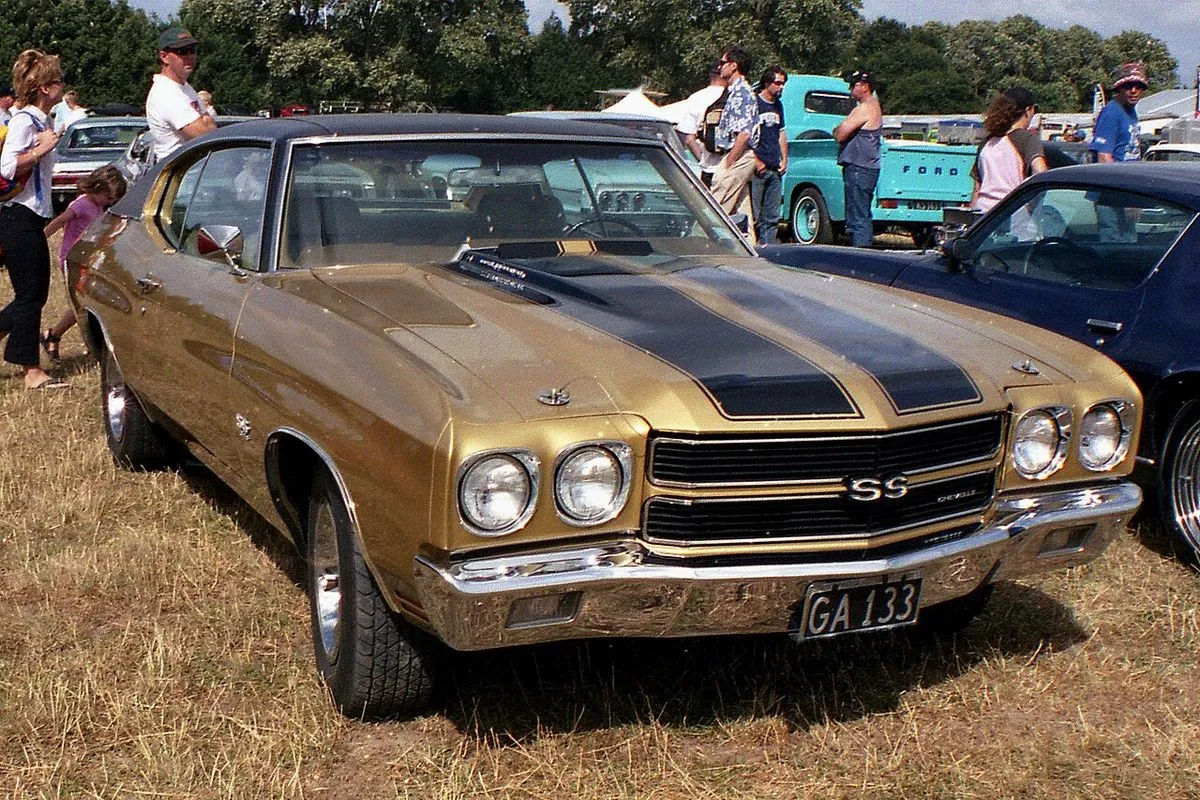
1970 Chevy Chevelle SS 454

1970 Chevy Chevelle SS 454

Chevy

$50,000-200,000+ Car
Engine: 396 V8
Power: 350-450 hp
Trans: 3-speed auto (TH400)
Years: 1970-1972

The 1970 Chevelle SS 454 is the apex predator of the muscle car era. When GM lifted its 400 cubic inch displacement limit, Chevrolet responded with the LS6 454 — 450 horsepower, 500 lb-ft of torque, and a factory 0-60 time under six seconds. The redesigned body was aggressive and purposeful. The hood scoop actually worked. For one glorious year before insurance rates and emissions killed muscle cars, the LS6 Chevelle was the most powerful production car you could buy. The LS5 (360 hp) was the 'mild' option. Nothing about this car is mild.

1970 Citroën 2CV

1970 Citroën 2CV

Citroën

$10,000-25,000 Car
Engine: 602cc air-cooled flat-2
Power: 29 hp @ 5,750 rpm
Trans: 4-speed manual
Years: 1948-1990

The 2CV is the anti-sports car. Citroën's engineers were told to create a car that could carry four adults and 50 kilos of potatoes across a plowed field without breaking the eggs on the seat. They succeeded beyond imagination. The result was something genuinely innovative: interconnected suspension that floats over bumps, air-cooling for simplicity, and design so honest it became art. The 2CV was France's answer to the Beetle, but even stranger and more lovable. It's automotive proof that charm beats performance.

1970 Plymouth 'Cuda

1970 Plymouth 'Cuda

Plymouth

$70,000-3,000,000+ Car
Engine: 340 V8
Power: 275-425 hp
Trans: 3-speed auto (TorqueFlite)
Years: 1970-1974

The 1970 'Cuda is the muscle car distilled to its purest form. Plymouth took the humble Barracuda nameplate and turned it into something extraordinary. The 'Cuda package was available with everything from the small-block 340 to the legendary 426 Hemi. The Shaker hood scoop — mounted directly to the engine so it literally shook with the motor — became iconic. The styling was aggressive without being cartoonish. Only 652 Hemi 'Cudas were built for 1970, and the convertibles (only 14 with Hemi, 4-speed, and shaker) now sell for over $3 million. The 440 Six Pack cars offer similar theater at a fraction of the cost.

1971 Ford Pinto

1971 Ford Pinto

Ford

$3,000-12,000 Car
Engine: 1.6L Kent inline-4
Power: 75-100 hp depending on engine and year
Trans: 4-speed manual
Years: 1971-1980

The Pinto is forever associated with its fuel tank scandal — Ford's calculated decision that paying wrongful death settlements was cheaper than fixing the design. That scandal defined automotive ethics debates for decades. But before that, the Pinto was just Ford's answer to the import invasion. It was cheap, efficient, and sold millions. The car itself was adequate transportation for people who needed adequate transportation. The scandal shouldn't define the car, but it's impossible to separate them.

1971 International Scout II

1971 International Scout II

International Harvester

$12,000-45,000 Truck
Engine: 304ci V8
Power: 133-193 hp depending on engine
Trans: 3-speed manual
Years: 1971-1980

The Scout invented the SUV. International Harvester, a farm equipment company, created a vehicle for farmers and ranchers who needed something between a pickup and a car. The Bronco and Blazer followed, but the Scout got there first. The Scout II refined the formula with more power and better on-road manners. These were genuinely capable off-road vehicles built by a company that knew heavy equipment. The Scout is the grandfather of every crossover on the road today.

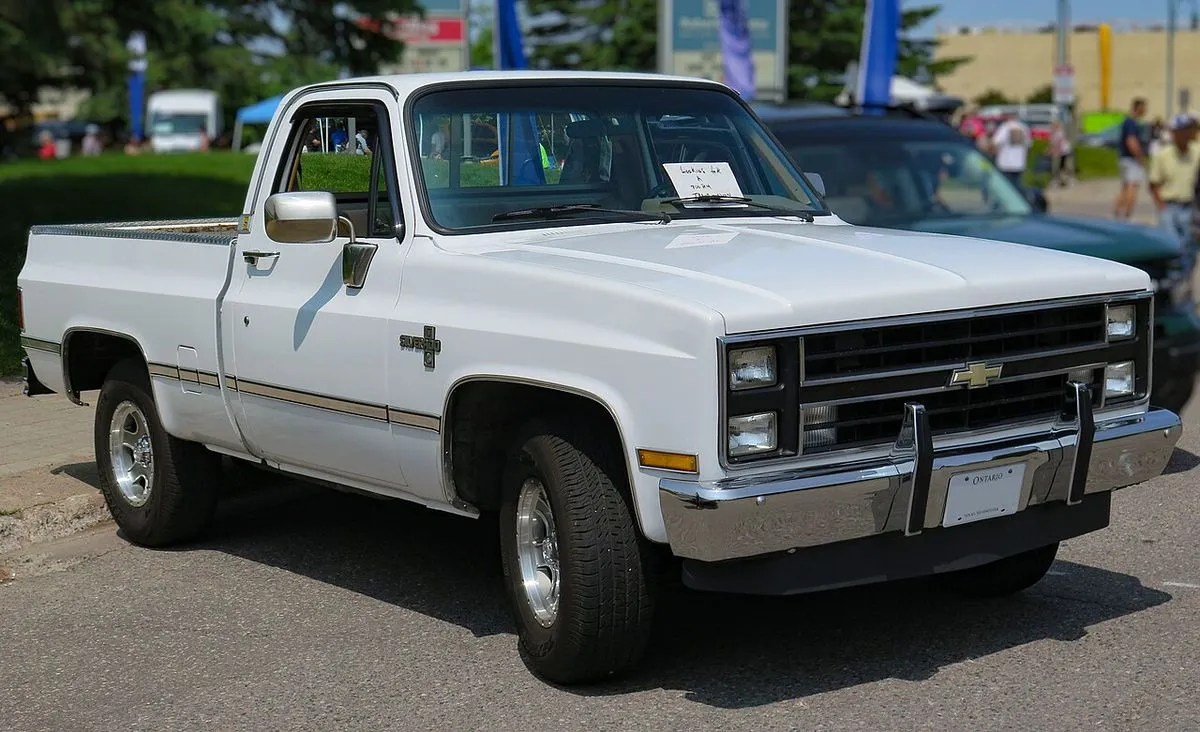
1973-1987 Chevy C/K Square Body

1973-1987 Chevy C/K Square Body

Chevy

$15,000-80,000+ Truck
Engine: 250 I6
Power: 100-245 hp
Trans: 3-speed manual
Years: 1973-1987

The Chevrolet Square Body is the last old-school American truck — simple, solid, and infinitely fixable. The design ran for 14 years with only incremental changes, which means parts interchange across the entire run. The square styling that gives these trucks their nickname was revolutionary in 1973 and still looks purposeful today. They were workhorses when new, and the survivors are either beat to hell or lovingly maintained. The K-series 4x4 trucks, especially short-bed models, have become the hottest segment in the collector truck market. A clean 1987 K10 Silverado can sell for more than it cost new, adjusted for inflation.

1974 Honda CL180 Scrambler

Honda

$2,000-5,000 Motorcycle
Engine: 174cc air-cooled parallel twin (SOHC)
Power: 17 hp @ 9,500 rpm
Trans: 5-speed
Years: 1968-1973

The CL180 is proof that motorcycling's best days don't require displacement. Honda's Scrambler line put high pipes and semi-knobbies on their small twins, creating bikes that looked adventurous and were genuinely capable on dirt roads. At 17 horsepower, you can use all of what's available without going to jail. It's light enough to pick up when you drop it. Simple enough to fix yourself. Cheap enough to not worry about. The small-displacement scrambler is motorcycling's best-kept secret.

1974 MG MGB

1974 MG MGB

MG

$8,000-25,000 Car
Engine: 1.8L B-Series inline-4
Power: 95 hp @ 5,400 rpm (pre-emission)
Trans: 4-speed manual with overdrive option
Years: 1962-1980

The MGB is the British sports car. More were sold in America than any other British roadster. It democratized the sports car experience — not as exotic as a Jaguar, not as expensive as a Triumph TR6, but genuinely fun and within reach. For decades, the MGB was the entry point into British car enthusiasm. The 1974.5 and later 'rubber bumper' cars get grief, but they're also cheaper and still fun. The MGB created a template for affordable sports cars that echoes through every Miata on the road today.

1974 Triumph TR6

1974 Triumph TR6

Triumph

$15,000-40,000 Car
Engine: 2.5L inline-6
Power: 104-150 hp depending on market and year
Trans: 4-speed manual with optional overdrive
Years: 1969-1976

The TR6 is the hairy-chested British sports car. Where the MGB was friendly and approachable, the TR6 was muscular and aggressive. The inline-six engine delivered real power. The Karmann-designed body looked like someone had chiseled it from anger. This was the TR for people who wanted more than the MGB could offer — more power, more presence, more drama. The TR6 was the last of the proper TRs before the wedge-shaped TR7 killed the brand's credibility.

1974 Volkswagen Thing (Type 181)

1974 Volkswagen Thing (Type 181)

Volkswagen

$15,000-35,000 Car
Engine: 1.6L air-cooled flat-4
Power: 46 hp @ 4,000 rpm
Trans: 4-speed manual
Years: 1969-1983

The Thing is what happens when you take a military utility vehicle and sell it to beach towns. Based on the WWII Kubelwagen design, VW updated it for the '60s and '70s as a recreational vehicle. In America, it became a cult item for exactly two years before failing new safety standards. That brief window and the quirky design created instant collector appeal. The Thing is the ultimate beach cruiser — doors off, top down, completely impractical, and absolutely joyful.

1975 AMC Pacer

1975 AMC Pacer

AMC

$5,000-18,000 Car
Engine: 3.8L AMC inline-6
Power: 100-120 hp depending on year and engine
Trans: 3-speed manual
Years: 1975-1980

The Pacer is automotive proof that courage and good intentions don't guarantee success. AMC designed it for a rotary engine GM never delivered. They built it anyway with their inline-6. The styling was genuinely innovative — the fishbowl glass, the width, the rounded shape were all intentional aerodynamic choices. Critics destroyed it. Sales collapsed after 1975. But the Pacer was trying something. In an era of Detroit conformity, AMC swung for the fences. They missed, but at least they swung.

1975 Chevy G20 Van

1975 Chevy G20 Van

Chevy

$5,000-25,000 Van
Engine: 250ci inline-6
Power: 105-175 hp depending on engine and year
Trans: 3-speed auto (TH350)
Years: 1971-1995

The G-Series van defined what a full-size American van should be for 25 years. The second-generation design ran from 1971 to 1995 with minimal changes, proving that sometimes you get it right the first time. The G20 became the platform for the entire custom van industry — shag carpet, bubble windows, and murals of wizards on the sides. But underneath the conversions was a solid, reliable truck that could haul, tow, and work. The G-Series was America's utility vehicle.

1976 Chevy Chevette

1976 Chevy Chevette

Chevy

$2,000-8,000 Car
Engine: 1.4L OHV inline-4
Power: 52-65 hp depending on engine and year
Trans: 4-speed manual
Years: 1976-1987

The Chevette was GM's white flag to the imports. After watching Japanese cars steal market share, GM finally built a proper subcompact — by copying what worked. The Chevette was adequate. That's it. Not good, not terrible, just adequate. It did what millions of Americans needed: basic transportation. The RWD layout was archaic even then, but it made the car simple and somewhat fun in snow. The Chevette is the car nobody loved but everybody accepted.

1978 Fiat 124 Spider

1978 Fiat 124 Spider

Fiat

$10,000-30,000 Car
Engine: 2.0L DOHC inline-4
Power: 102 hp @ 5,400 rpm (US spec)
Trans: 5-speed manual
Years: 1966-1985

The 124 Spider brought Italian sports car experience to American driveways at a fraction of Ferrari prices. Pininfarina design, a genuine DOHC engine, proper handling — this was real automotive passion accessible to the middle class. Yes, the electrics are Italian. Yes, it rusts. But behind the wheel, with the top down, none of that matters. The 124 Spider taught Americans that sports cars could be affordable and still feel special.

1979 Yamaha SR500

Yamaha

$4,000-12,000 Motorcycle
Engine: 499cc air-cooled single (SOHC)
Power: 32 hp @ 6,500 rpm
Trans: 5-speed
Years: 1978-1981

The SR500 is motorcycling's monk's cell. One cylinder. Kickstart only. No electric gadgets to fail. Yamaha built it as a callback to simpler times, and it became a cult classic for people who wanted to actually ride instead of manage electronics. The big single-cylinder engine has character that multi-cylinder bikes can't match — a rhythmic thump that connects you to every combustion event. It's meditation with handlebars.

1980 AMC Eagle

1980 AMC Eagle

AMC

$5,000-20,000 Car
Engine: 4.2L AMC inline-6
Power: 110 hp (4.2L)
Trans: 4-speed manual
Years: 1980-1988

The AMC Eagle invented the crossover. Before Subaru Outbacks, before lifted wagons became a lifestyle, AMC took a regular car, raised the suspension, and added full-time 4WD. Critics laughed. Buyers bought. The Eagle pioneered a vehicle segment that now dominates the market. AMC was broke, desperate, and innovative by necessity. They couldn't compete head-to-head with Detroit, so they built something nobody else would try. The modern CUV owes everything to this weird little company's desperate gamble.

1987 Suzuki Samurai

1987 Suzuki Samurai

Suzuki

$5,000-15,000 Truck
Engine: 1.3L SOHC inline-4
Power: 63 hp @ 6,000 rpm
Trans: 5-speed manual
Years: 1985-1995

The Samurai proved that small doesn't mean incapable. At barely 2,000 pounds with proper 4WD and low range, the Samurai could go places that heavier trucks couldn't reach. Consumer Reports' rollover controversy nearly killed it in America, but the Samurai was vindicated — it wasn't more dangerous than comparable vehicles. The lightweight platform created a cult following among off-roaders who appreciated what less weight and tight turning could accomplish on trails.

1990 Honda CRX Si

1990 Honda CRX Si

Honda

$8,000-25,000 Car
Engine: 1.6L SOHC inline-4 (D16A6)
Power: 108 hp @ 6,000 rpm
Trans: 5-speed manual
Years: 1988-1991

The second-gen CRX is the Miata's sibling that never got the credit. While Mazda was building the perfect roadster, Honda built the perfect coupe. Under 2,200 pounds, a willing SOHC engine, and handling that embarrassed cars costing three times as much. The Si version with the D16A6 engine found the sweet spot: enough power to be fun, reliable enough to be daily driven, efficient enough to pass gas stations without stopping. This was Honda at the height of their engineering arrogance — building cars that made you wonder why anyone bothered with anything else.

1990 Suzuki Carry Kei Truck

1990 Suzuki Carry Kei Truck

Suzuki

$5,000-12,000 Truck
Engine: 660cc inline-3 (later models)
Power: 31-45 hp depending on version
Trans: 4-speed manual
Years: 1979-1998

Kei trucks are Japan's dirty secret. For decades, these miniature pickups have done real work on Japanese farms, construction sites, and narrow streets. The 25-year import rule has finally made them legal in America, and people are discovering what Japan has known: sometimes smaller is better. A Carry can fit where full-size trucks can't, haul surprisingly heavy loads, and sip fuel. They're not highway vehicles, but for property work, they're brilliant.

1992 Ford Festiva

Ford

$1,500-6,000 Car
Engine: 1.3L Mazda B3 inline-4
Power: 63 hp @ 5,000 rpm
Trans: 4-speed manual
Years: 1988-1993

The Festiva is transportation reduced to its absolute essence. Built by Kia, engineered by Mazda, sold by Ford — a globalized economy before anyone used that word. It's slow. It's tinny. The three-speed automatic is basically two gears and a suggestion. But it weighs nothing, sips fuel, and will get you from A to B forever if you do basic maintenance. For kids learning to drive, this was perfect: nothing to break, nothing to race, just honest transportation that taught you how cars work.

1993 Ford F-150 XLT Lariat

Ford

$5,000-20,000 Truck
Engine: 4.9L inline-6
Power: 150-210 hp depending on engine
Trans: 5-speed manual
Years: 1987-1996

The OBS (Old Body Style) F-150 is the quintessential American truck. It's what people picture when they think 'pickup.' The 1987 redesign added aerodynamics without losing the truck's essential character. The 300 cubic inch inline-6 is legendarily reliable — truckers call it the 'big six' and swear by it. The XLT Lariat trim added carpet, power everything, and enough creature comforts to make the wife happy. This is the working truck that could also be the family vehicle.

1994 Toyota 4x4 Pickup

1994 Toyota 4x4 Pickup

Toyota

$10,000-30,000 Truck
Engine: 3.0L 3VZ-E V6
Power: 150 hp
Trans: 5-speed manual
Years: 1989-1995

This is the truck that built Toyota's American reputation. The one that survives neglect, abuse, and decades of use. It's not fast, not luxurious, not particularly capable by modern standards. But it starts every time, runs forever, and does exactly what a truck should do without drama. The 22R-E engine has a cult following for good reason: it may be the most reliable engine ever mass-produced. These trucks just refuse to die.

1995 BMW E36 328i

BMW

$5,000-20,000 Car
Engine: 2.8L M52 inline-6
Power: 190 hp @ 5,300 rpm
Trans: 5-speed manual
Years: 1992-1999

The E36 is the forgotten middle child between the legendary E30 and the bloated E46. But it might be the sweet spot. It's the last 3-Series you can work on without dealer software. The last one that feels connected to the road through hydraulic steering. The M52 straight-six is one of the great engines — smooth, willing, and tough. These cars taught a generation what 'Ultimate Driving Machine' actually meant, before BMW forgot.

1995 Land Rover Defender 90

1995 Land Rover Defender 90

Land Rover

$40,000-100,000+ Truck
Engine: 3.9L V8 (NAS spec)
Power: 182 hp (NAS V8)
Trans: 5-speed manual (R380)
Years: 1983-2016

The Defender is what happens when function dictates form for 68 years. Land Rover started with a vehicle designed to go anywhere, and despite periodic updates, never abandoned that mission. The Defender became the vehicle of choice for African safaris, military operations, aid organizations, and anyone who needed absolute capability. The NAS (North American Specification) Defenders from 1993-1997 are particularly desirable because they're the only ones that were legally sold new in the US.

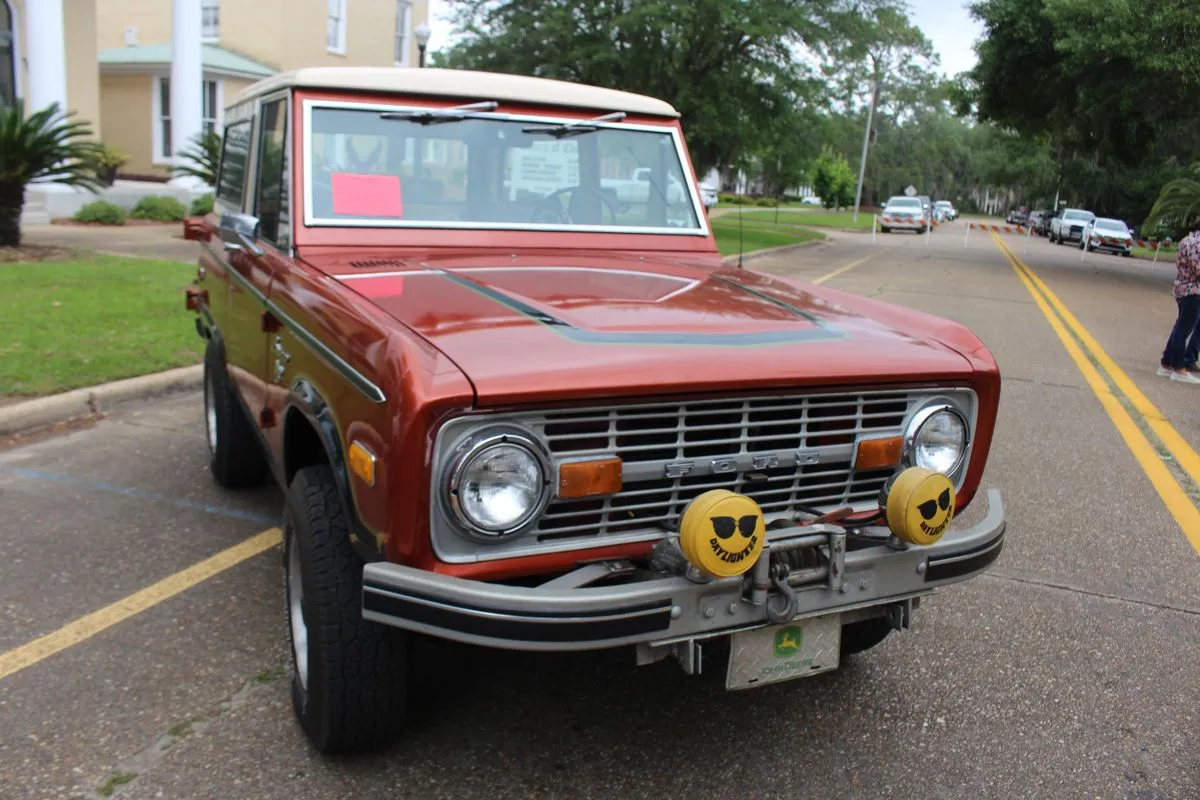
Ford Bronco (First Generation)

Ford Bronco (First Generation)

Ford

$40,000-150,000+ Truck
Engine: 170 I6
Power: 105-205 hp
Trans: 3-speed manual
Years: 1966-1977

The first-gen Bronco was Ford's answer to the Jeep CJ — a no-nonsense, purpose-built 4x4 for people who actually needed to go off-road. The short 92-inch wheelbase made it absurdly maneuverable in the rocks and woods. The removable hardtop made it a convertible. The V8 option made it fast. For a decade, the Bronco was the serious choice for serious off-roaders. Then the O.J. Simpson chase in 1994 made it famous for entirely different reasons. Today, the early Bronco is one of the hottest collector trucks on the market, with values that have tripled in a decade.

Jeep CJ-5 / CJ-7

Jeep CJ-5 / CJ-7

Jeep

$15,000-50,000+ Truck
Engine: 232 I6
Power: 100-175 hp
Trans: 3-speed manual
Years: 1955-1986

The CJ is where the Jeep legend lives. The military MB won World War II; the civilian CJ brought that go-anywhere capability to everyone else. The CJ-5 ran for 28 years with relatively minor changes — a testament to the design's rightness. The CJ-7, introduced in 1976 with a 10-inch longer wheelbase, added practicality without sacrificing capability. These were the Jeeps that crawled Moab before Instagram. The AMC inline-6 engines that arrived in 1972 are bulletproof and still run daily. The CJ is the original recreational 4x4 — every Wrangler since has been chasing this formula.

Browse by Make

View all makes →

Ford

USA · Est. 1903

carstrucks

The company that put America on wheels. From the Model T to the Mustang, Ford defined American automotive culture.

7 vehicles in collection

Chevy

USA · Est. 1911

carstrucks

Ford's eternal rival. The bowtie that launched a thousand hot rods.

8 vehicles in collection

Honda

Japan · Est. 1948

motorcycles

The engineer's motorcycle company that changed everything.

3 vehicles in collection

Pontiac

USA · Est. 1926

cars

GM's excitement division. Pontiac built cars for people who wanted more than basic transportation — they wanted to feel something.

2 vehicles in collection

Dodge

USA · Est. 1900

carstrucks

Chrysler's muscle brand. Dodge has always been the division willing to build something a little wilder than the competition.

2 vehicles in collection

Plymouth

USA · Est. 1928

cars

Chrysler's value brand that punched way above its weight in the muscle car wars. Dead since 2001, but the legends live on.

1 vehicle in collection

Jeep

USA · Est. 1941

trucks

Born in war, built for adventure. Jeep is the original American off-road brand.

1 vehicle in collection

AMC

USA · Est. 1954

carstrucks

The scrappy underdog of American automakers. AMC punched above its weight with innovative designs that Detroit's Big Three wouldn't touch.

3 vehicles in collection

Volkswagen

Germany · Est. 1937

carsvans

The people's car. From Nazi-era origins to counterculture icon, VW became synonymous with simple, honest transportation.

2 vehicles in collection

Fiat

Italy · Est. 1899

cars

Italian passion in affordable packages. Fiat brought la dolce vita to the masses with stylish, spirited cars.

1 vehicle in collection

MG

UK · Est. 1924

cars

The gateway drug to British sports cars. MG democratized the roadster experience for generations of enthusiasts.

1 vehicle in collection

Triumph

UK · Est. 1885

carsmotorcycles

British sports car heritage spanning cars and motorcycles. Triumph built some of the most characterful machines to ever drip oil on a garage floor.

2 vehicles in collection

International Harvester

USA · Est. 1902

trucks

The farm equipment giant that built the original American SUV. International Harvester was making trucks tough before tough was a marketing slogan.

1 vehicle in collection

Land Rover

UK · Est. 1948

trucks

The original go-anywhere vehicle. Land Rover built the trucks that conquered deserts, jungles, and school parking lots.

1 vehicle in collection

Suzuki

Japan · Est. 1909

carstrucksmotorcycles

Small but mighty. Suzuki built motorcycles, kei cars, and tiny trucks that punched well above their weight class.

2 vehicles in collection

BMW

Germany · Est. 1916

carsmotorcycles

The Ultimate Driving Machine before the marketing ruined it. BMW built driver-focused cars that rewarded skill and attention.

1 vehicle in collection

Toyota

Japan · Est. 1937

carstrucks

Reliability as religion. Toyota built vehicles so dependable they became the default choice for anyone who just wanted their car to work.

1 vehicle in collection

Yamaha

Japan · Est. 1887

motorcycles

Pianos to motorcycles to outboard engines. Yamaha builds anything that makes noise or goes fast, usually both.

1 vehicle in collection

Daihatsu

Japan · Est. 1907

carstrucks

Japan's kei car specialist. Daihatsu mastered the art of maximum utility from minimum dimensions.

0 vehicles in collection

Citroën

France · Est. 1919

cars

French automotive weirdness elevated to art. Citroën built cars that defied convention and created new ones.

1 vehicle in collection

About this site

iron.fyi is a curated guide to vintage vehicles — cars, trucks, and motorcycles that age beautifully. This isn't an encyclopedia of every vehicle ever made. It's a considered selection of iron worth owning, with honest assessments of what makes each one worth considering (or skipping).

No ads. No sponsored content. Just vehicles that patina with grace.